In this guide
If you are tested at work or in sport, it is fair to ask whether CBD could cause a problem. The short version: standard drug tests look for THC, not CBD. The risk comes from CBD products that contain THC, whether the label says so or not. This guide explains what drug tests look for, why some CBD users fail them, and how to lower your risk if you choose to use CBD.
The Short Answer
- Drug tests look for THC, the intoxicating compound in cannabis, not CBD.
- Full-spectrum CBD contains small amounts of THC, which can build up with regular use.
- Mislabeled products are a real risk. Some products sold as “THC-free” have been found to contain THC.
- THC-free isolate with a lab report is the lowest-risk choice, but no product or company can guarantee a test result.
What Do Drug Tests Actually Look For?
Most workplace drug tests are urine tests. For cannabis, they screen for a breakdown product of THC called THC-COOH, which the body makes after THC is used. Under the federal workplace testing guidelines, a urine screen is usually flagged at 50 ng/mL, and a positive screen is then confirmed with a more precise lab test at 15 ng/mL. Blood, saliva and hair tests also target THC or its breakdown products.
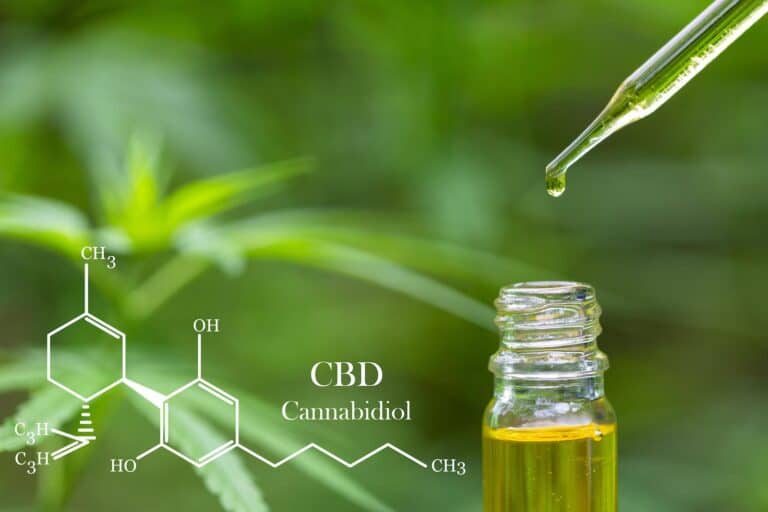
Standard panels do not test for CBD itself. CBD is a different molecule from THC and does not turn into THC-COOH. So in theory, a product containing only CBD should not cause a positive result for cannabis.
So Why Do Some CBD Users Fail Drug Tests?
1. Their product contains THC
Full-spectrum CBD is made from a whole-plant hemp extract and is allowed to contain small amounts of THC. One serving may hold very little, but with daily use of a high-strength product, the THC can add up enough to show on a test. Read our guide to full-spectrum vs. broad-spectrum vs. CBD isolate to see how the types differ.
2. The label is wrong
CBD is lightly regulated, and labels are not always accurate. A study published in JAMA in 2017 tested 84 CBD products bought online and found THC in 21% of them. Sports bodies have warned about the same problem: in 2019 the PGA Tour told its players that tests had found THC in some products sold as “THC-free”.
3. Cross-contamination
If a facility also handles full-spectrum or THC products, traces can end up where they should not be. Good manufacturing practices and batch testing help catch this.
Is CBD Cream Safer Than CBD Oil for Drug Testing?
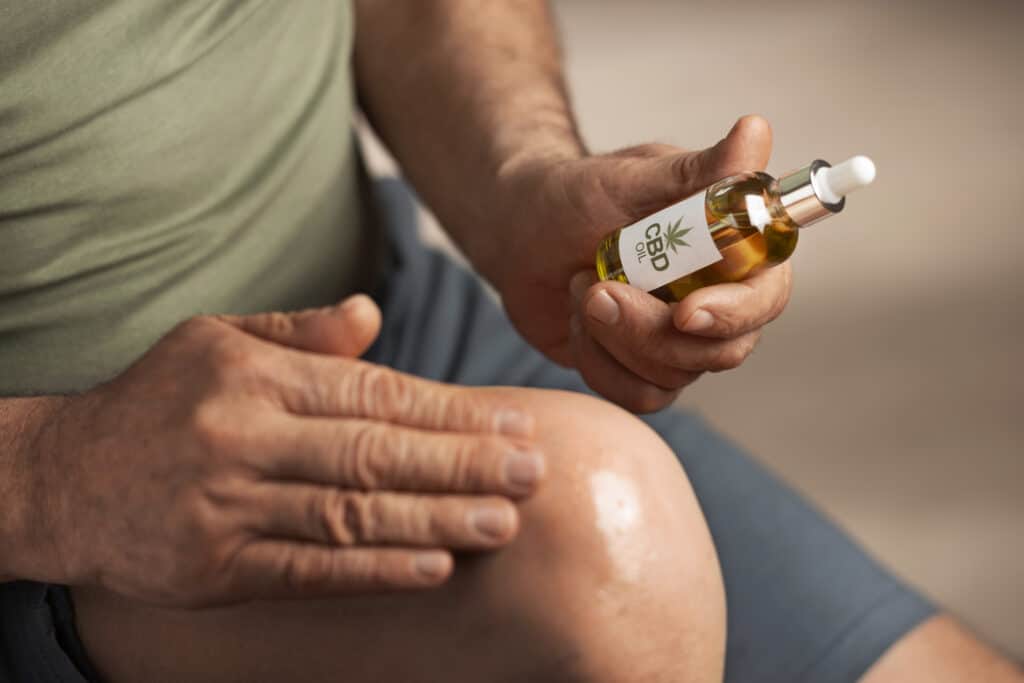
Topical products such as creams and sprays are applied to the skin and are designed to work where you apply them, rather than being swallowed. That said, the same rule applies: what matters most is whether the product contains THC. A full-spectrum cream still contains THC. If you are tested, choose a THC-free topical, check its lab report, and follow the label.
How to Lower Your Risk
- Choose THC-free products made with isolate, not full-spectrum extract.
- Read the Certificate of Analysis (COA) for the exact batch you are buying. Look for THC listed as “ND” (non-detectable), and check total THC, not just delta-9.
- Make sure the COA is independent and recent, with the lab’s name, a date and a batch number that matches your product.
- Buy from brands that publish a recent, independent COA, not one old report for the whole product line.
- Ask your employer, league or doctor first if testing matters to your job or sport. Some organizations have their own rules on CBD.
What About Athletes?
The World Anti-Doping Agency removed CBD from its prohibited list in 2018, but THC and other cannabinoids are still prohibited in competition. That means a CBD product with THC in it can still cause a problem for a tested athlete. Professional leagues, colleges and tours each set their own policies, so check yours before you use any CBD product. Golfers, tennis and pickleball players can read more on our CBD for golfers, tennis and pickleball pages.
How Pin High CBD Approaches THC
We make our products without THC. Our tinctures use CBD isolate, and our creams and spray combine CBD with CBG and CBC isolates, with no THC in the formula. Our products are tested by an independent lab, and the lab report is linked on each product page so you can check it yourself before you buy.
- 5000 mg CBD Muscle & Joint Cream
- 2000 mg CBD Cream, pump bottle
- 750 mg CBD Spray
- Peach and Mint CBD Tinctures, 3000 mg
Even so, we cannot guarantee the result of any drug test. Tests, cutoffs and personal circumstances vary. See our THC-free CBD cream guide for more.
Frequently Asked Questions
Will THC-free CBD show up on a drug test?
Standard tests look for THC, not CBD, so a truly THC-free product should not trigger a cannabis result. Mislabeling and contamination are the main risks, which is why a batch-specific lab report matters. No company can guarantee a result.
How long does CBD stay in your system?
It varies with the amount, how often you use it, how you take it and your own body. It matters less for drug testing than THC does, because standard tests do not look for CBD.
Can CBD cream make you fail a drug test?
A cream that contains THC could add to your exposure. A THC-free cream with a clean lab report carries the least risk. If you are tested, check with your employer or league first.
These statements have not been evaluated by the Food and Drug Administration. These products are not intended to diagnose, treat, cure or prevent any disease. For adult use only. This article is general information, not legal or medical advice.
THC-free CBD, made in the USA
Ships within 2 days · Free shipping over $125 · Lab tested

We make THC-free CBD creams, spray and tinctures with CBD isolate in the USA, with a lab report for every product. Our guides cover how to fit CBD and CBN into everyday, active and evening routines.